Personalized care, from your first consultation · Yongsan-gu, Seoul
en-US

When Skin Texture & Rejuvenation Is Recommended
Learn when Skin Texture & Rejuvenation is recommended, who may benefit, and how treatments can improve tone, smoothness, and radiance. Explore your options.
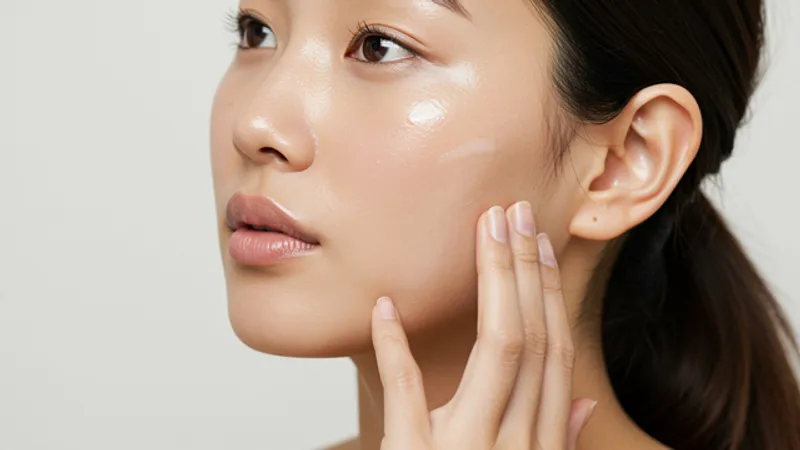
Understanding Skin Texture Changes: An Overview
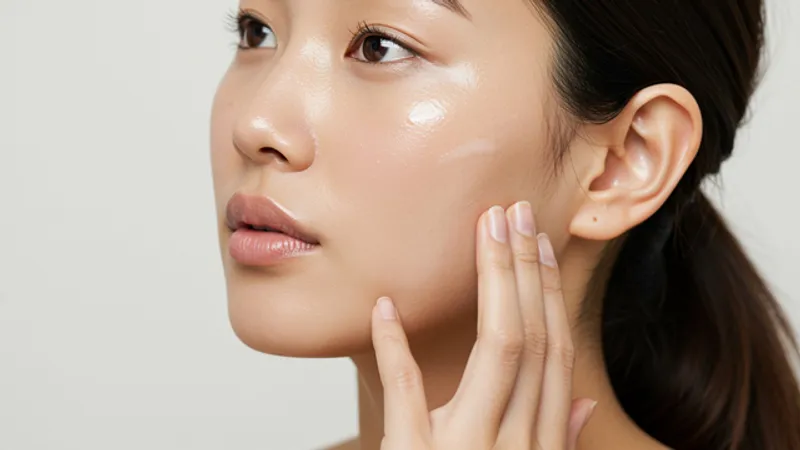
Skin texture refers to the surface quality of the skin — its smoothness, tone, and firmness. Several factors can contribute to changes in texture over time:
- Reduced collagen and elastin production, which leads to thinner, less resilient skin
- Cumulative sun exposure, which can cause uneven pigmentation and roughness
- Volume loss in the mid-face and under-eye areas, which can make skin appear more textured or shadowed
- Repeated facial movement and gravity, which contribute to fine lines and looser contours
- Environmental and lifestyle factors, such as pollution exposure, sleep quality, and hydration levels, which can influence how texture concerns present over time
These changes are typically gradual, and most patients notice a combination of surface-level texture concerns alongside deeper structural changes, such as volume loss or mild sagging. It is also common for texture concerns to become more noticeable in certain lighting conditions, such as under close-range photography or direct sunlight, which is often what prompts patients to seek a professional evaluation in the first place.
Why Texture Concerns Often Appear Together with Volume Loss
As the skin loses structural support beneath the surface, the overlying tissue can appear less smooth, even if no new surface damage has occurred. This is one reason why an isolated focus on surface texture — without considering underlying volume — may not fully address a patient's concerns. A more comprehensive evaluation, one that considers both surface quality and structural support, tends to produce a more complete picture of what is contributing to a patient's appearance.
How Non-Surgical Rejuvenation Treatments Work
Rather than relying on invasive surgical techniques, Dongahn Central Clinic focuses on dermatological approaches that aim to support skin quality and facial contour with reduced downtime. The clinic's treatment philosophy centers on:
- Refining injection and lifting techniques to minimize swelling and bruising
- Supporting the skin's structural framework to improve firmness and texture over time
- Addressing volume-related concerns, such as under-eye hollowing, that can contribute to the appearance of textured or tired-looking skin
- Taking a measured, stepwise approach so that changes appear gradual and proportionate to the patient's facial structure
For patients with concerns in specific areas, treatments such as targeted lifting for the brow and dark circle rejuvenation techniques may be discussed as part of a broader rejuvenation plan, depending on individual assessment. Because texture and volume concerns often vary by facial region, treatment planning tends to be most effective when it is approached area by area rather than through a single, uniform protocol applied across the entire face.
The Role of Facial Anatomy in Treatment Design
Because skin texture and volume are closely tied to the underlying facial structure, an accurate understanding of anatomy is central to safe and effective treatment planning. Injection depth, technique, and product selection are adjusted based on each patient's unique facial anatomy to help reduce the risk of complications and support more natural-looking results.
Anatomical variation between patients — including differences in skin thickness, fat pad distribution, and vascular structure — means that a technique well suited to one patient may not be appropriate for another. This is why a detailed anatomical assessment is treated as a foundational part of the consultation process, rather than a formality, before any treatment plan is finalized.
Setting Realistic Treatment Goals
Because non-surgical rejuvenation is designed to work with the skin's existing structure rather than surgically alter it, treatment goals are typically framed around gradual, natural-looking improvement rather than a complete transformation. Patients are encouraged to discuss their expectations openly during consultation so that the treatment plan can be aligned with what is realistically achievable.
Who May Be a Suitable Candidate
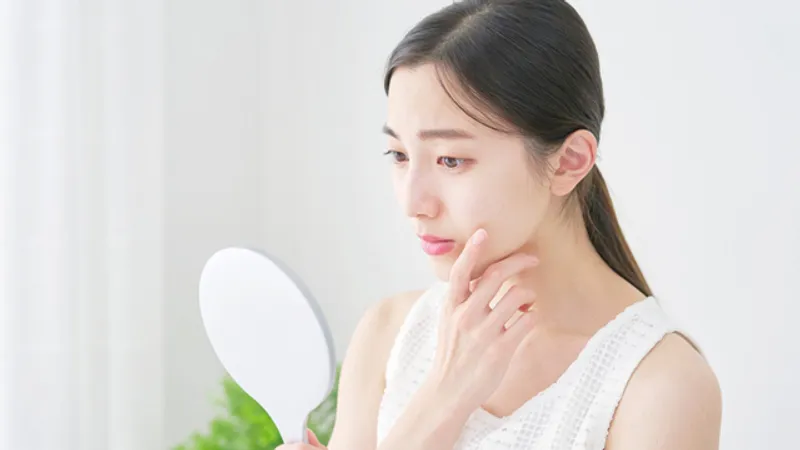
Non-surgical skin texture and rejuvenation treatments are generally considered for patients who:
- Notice early to moderate signs of uneven texture, dullness, or fine lines
- Prefer to avoid the extended recovery time associated with surgical procedures
- Have realistic expectations about gradual, natural-looking improvement
- Are in general good health with no active skin infections or unmanaged medical conditions in the treatment area
- Are looking for a treatment plan that can be adjusted over time as their skin and goals evolve
Candidacy is determined on an individual basis. Patients with certain skin conditions, active inflammation, or specific medical histories should discuss their suitability directly with a physician before proceeding. Pregnancy, certain autoimmune conditions, and active dermatological infections are examples of factors that may require additional evaluation or postponement of treatment. This article is intended for general educational purposes and does not replace a personalized medical consultation.
What to Expect During the Treatment Process
While specific steps vary depending on the treatment selected, the general process at Dongahn Central Clinic typically follows these stages:
1. Initial Consultation and Skin Assessment
The physician evaluates the patient's skin condition, facial anatomy, and treatment goals. This step also includes a discussion of medical history and any prior procedures. A visual and, where appropriate, tactile assessment of skin texture, tone, and volume distribution helps establish a baseline from which progress can later be measured.
2. Customized Treatment Planning
Rather than applying a standardized protocol, the treatment plan is tailored to the patient's specific texture concerns, facial structure, and desired outcome. This may involve combining more than one technique, sequencing treatments over time, or focusing on a specific facial region first based on the patient's priorities.
3. Procedure
Depending on the selected approach, treatment may involve targeted injections or lifting techniques designed to minimize discomfort and reduce visible swelling. Topical numbing or other comfort measures may be used prior to treatment, depending on the specific procedure and patient preference.
4. Post-Treatment Guidance
Patients receive instructions on aftercare, including how to support recovery and what changes to expect in the days following treatment. This typically includes guidance on sun protection, skincare product use, and activities to avoid in the short term.
5. Follow-Up
Ongoing follow-up appointments allow the clinical team to monitor results and address any patient questions as healing progresses. Follow-up visits also provide an opportunity to assess whether any adjustments to the treatment plan are needed as results develop.
Doctor's Expertise
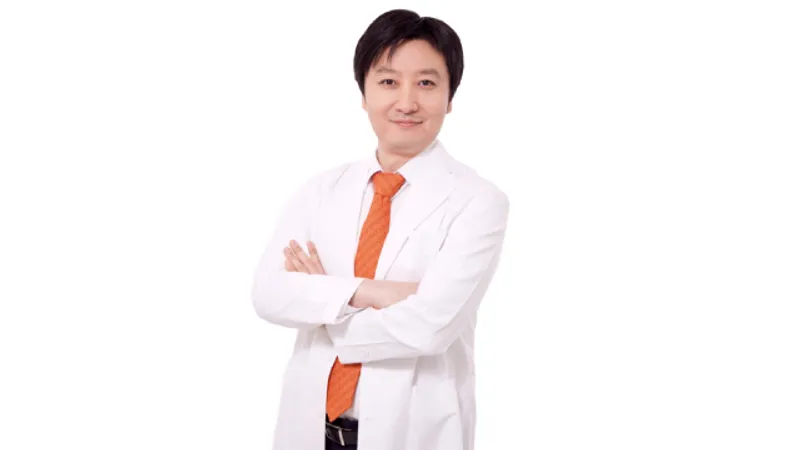
Treatment at Dongahn Central Clinic is led by Dr. Nam Seong Han, whose academic and professional background includes:
- M.D., PhD in Applied Dermatological Anatomy
- Director of the Seoul National University Alumni Association
- Adjunct Professor at Kyungpook National University
- Adjunct Professor at Chung-Ang University
This academic focus on applied anatomy directly informs the clinic's approach to injection-based and lifting treatments, with an emphasis on precision grounded in a detailed understanding of facial structure. A strong grasp of anatomical variation — including differences in vascular pathways and tissue layers across the face — is particularly relevant to treatments that involve injections, where precise placement plays a meaningful role in both safety and outcome quality.
The clinic's academic orientation also shapes how treatment plans are communicated to patients: explanations are typically grounded in anatomical reasoning, helping patients understand not just what a treatment involves, but why a particular technique or approach is recommended for their specific case.
Clinic Strengths
Founded in 2013, Dongahn Central Clinic has built its practice around a consistent philosophy: achieving refined, surgical-level contouring results through dermatological rather than surgical means. Key aspects of the clinic's approach include:
- A compact clinical team that allows for personalized attention and continuity of care
- A focus on minimizing downtime and swelling across treatment offerings
- Transparent consultation practices, with clear communication about expected outcomes and recovery timelines
- Ongoing development of multilingual services to support international patients
- A treatment philosophy built on more than a decade of clinical experience with non-surgical facial rejuvenation
The clinic's smaller team structure is intended to support closer, more consistent communication between patients and their treating physician across the full course of care — from the initial consultation through post-treatment follow-up — rather than passing patients between multiple providers at different stages.
Recovery, Safety, and Realistic Outcomes
Recovery time following non-surgical texture and rejuvenation treatments is generally shorter than that associated with surgical procedures, though individual healing varies. Mild swelling, redness, or tenderness in the treated area is common in the initial days following treatment and typically resolves without intervention. Some patients may also notice mild bruising, particularly with injection-based techniques, which generally fades within one to two weeks.
It is important for patients to maintain realistic expectations. Non-surgical treatments are designed to support gradual improvement in skin quality and contour; they do not produce the same permanence or dramatic transformation as surgical intervention. Results also vary based on individual skin condition, age, and lifestyle factors, and most non-surgical techniques require some degree of maintenance over time to sustain results.
As with any medical procedure, safety depends heavily on proper technique, patient selection, and adherence to aftercare guidance. Patients should promptly report any unexpected symptoms — such as persistent pain, unusual swelling, or signs of infection — to their treating physician rather than waiting for a scheduled follow-up.
Patients are encouraged to follow all post-treatment care instructions provided by their physician and to attend scheduled follow-up visits to support optimal healing and monitor results over time. Consistent sun protection and a stable skincare routine following treatment can also help preserve results and support overall skin health between sessions.
Final Thoughts
Skin texture concerns are common and can often be addressed through carefully planned, non-surgical dermatological care. At Dongahn Central Clinic in Yongsan-gu, Seoul, treatment planning is guided by a detailed understanding of facial anatomy and a consistent focus on patient safety, transparency, and realistic outcomes. Patients considering treatment are encouraged to schedule a consultation to discuss their specific concerns and determine whether they are a suitable candidate.
Dongahn Central Clinic Room 203, 95 Hangang-daero, Yongsan-gu, Seoul Hours: 11:00 AM – 6:00 PM